

Walter Egel Kuhlman
Walter Egel Kuhlman (Saint Paul, MN. November 16, 1918 – March 29, 2009)


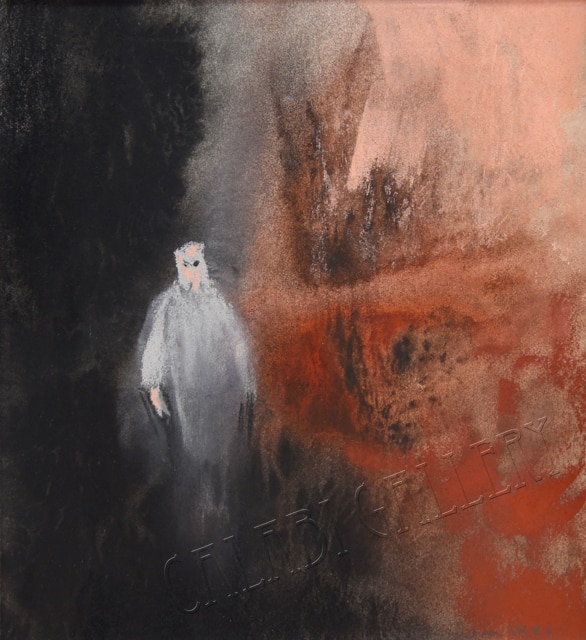
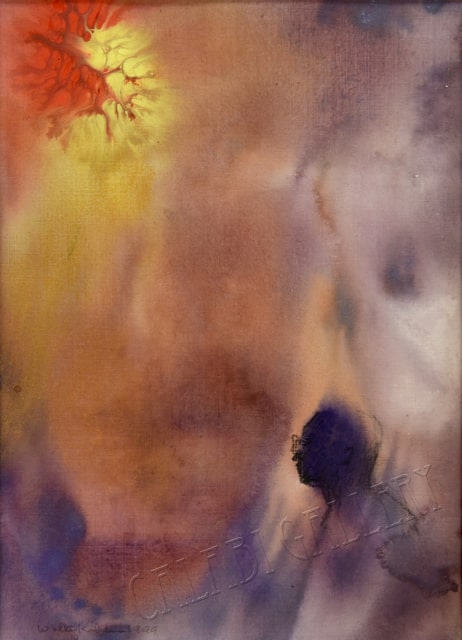

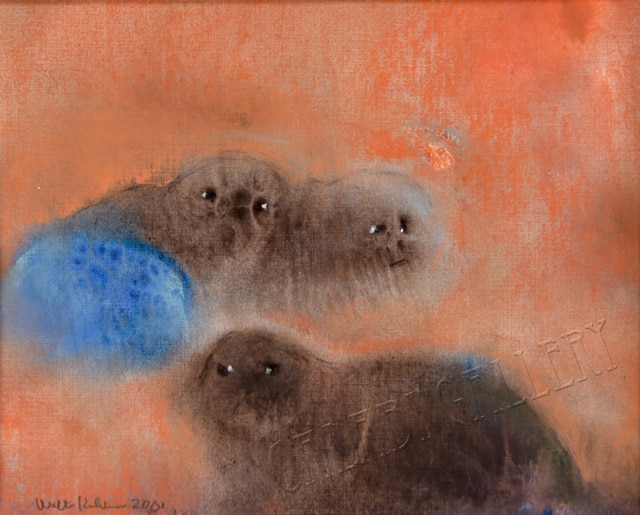

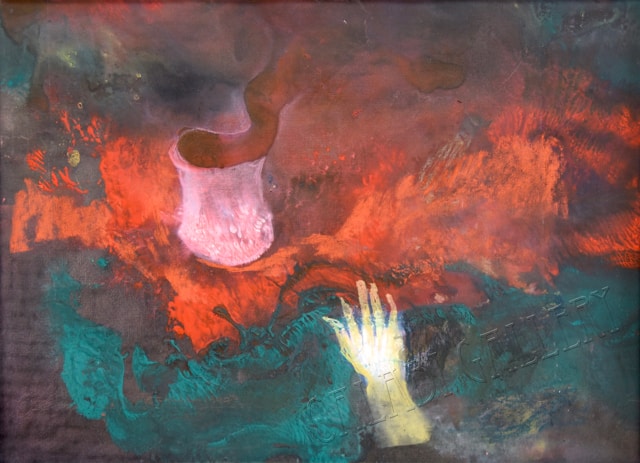
2 prints from the Sausalito Six “Drawings: a portfolio of 16 offset lithographs” – photos coming soon
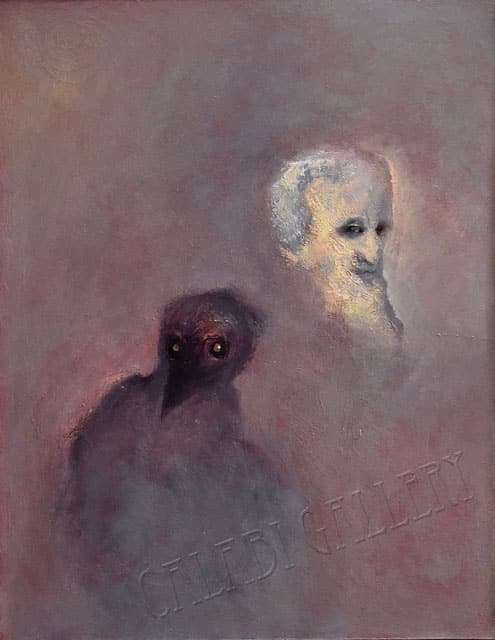
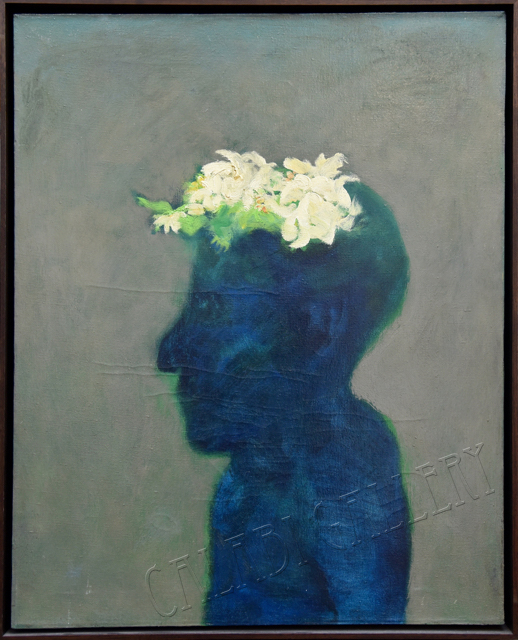
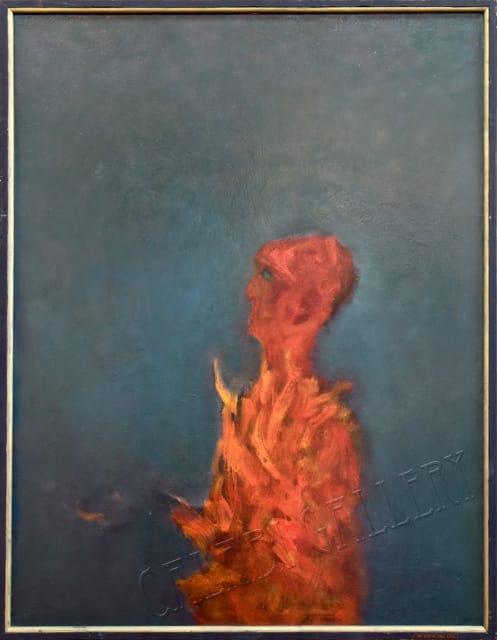
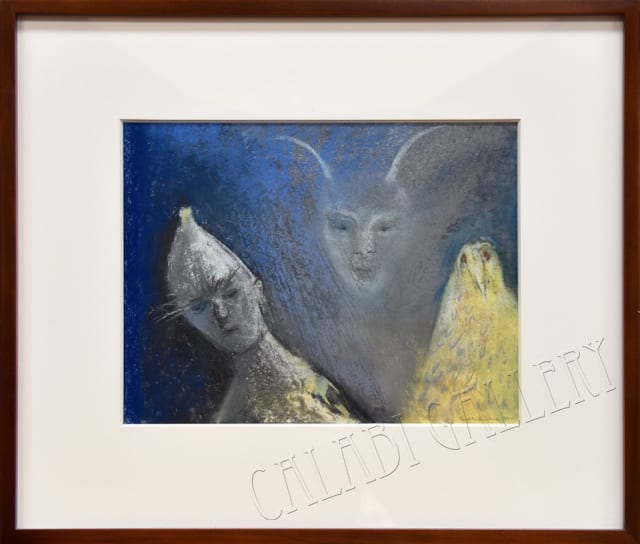
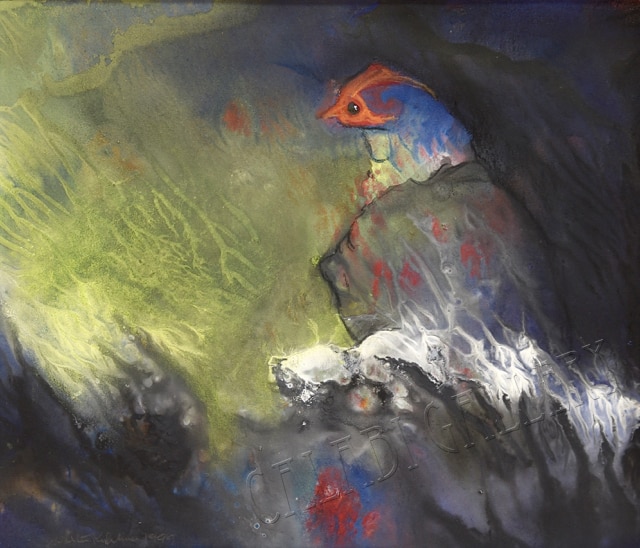
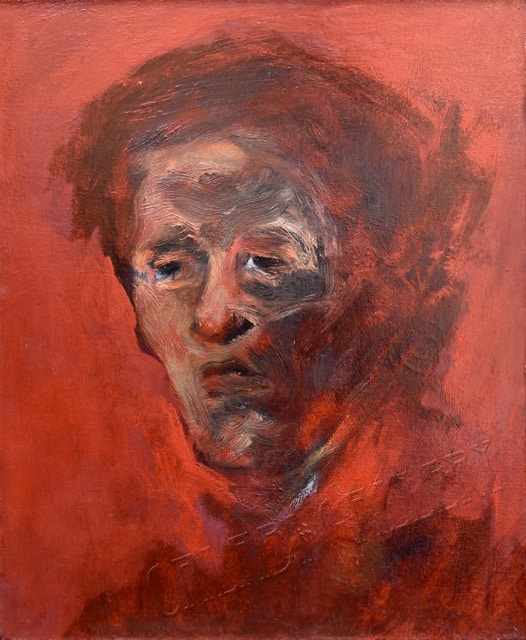
Man with Bird #3 by Walter Egel Kuhlman, 1984, Oil on Canvas, 30 x 24
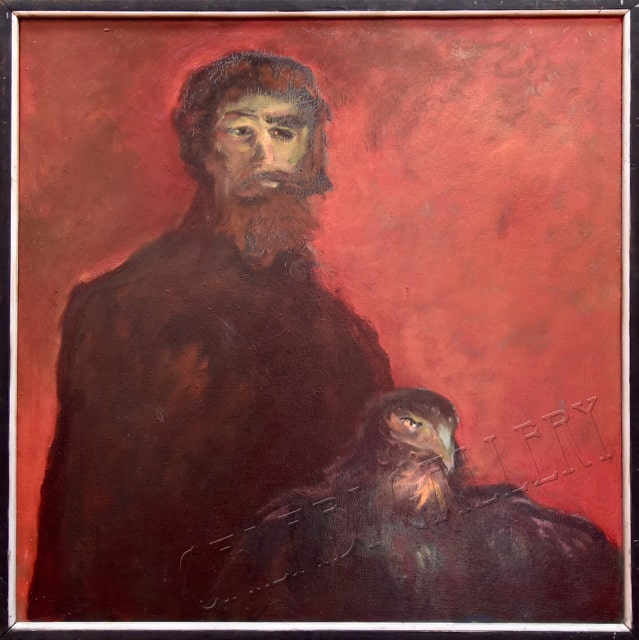
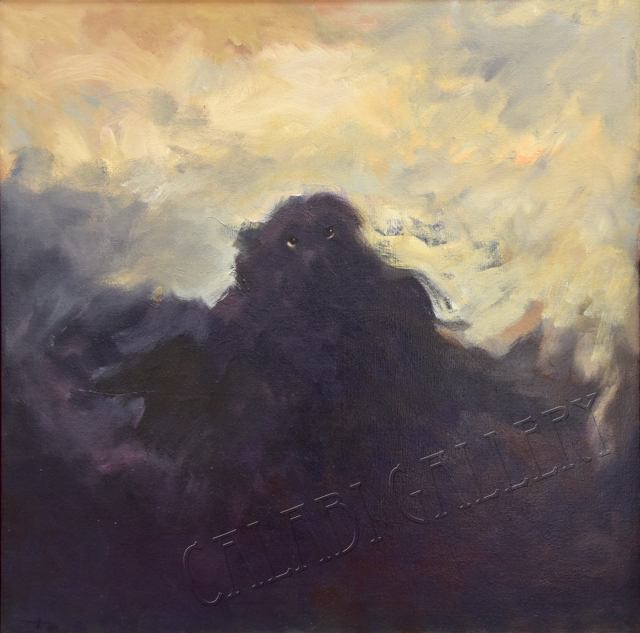
Eric with Bird by Walter Egel Kuhlman, 1981, Oil on Canvas, 36 x 36
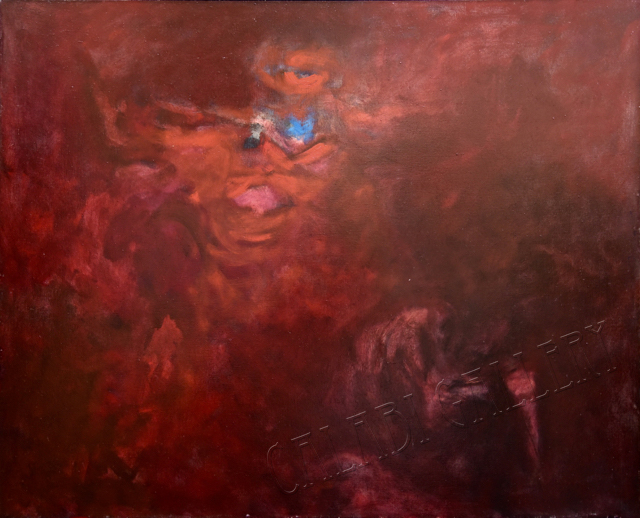
Prometheus by Walter Egel Kuhlman, 1962, Oil on Canvas, 43 x 55 – SOLD
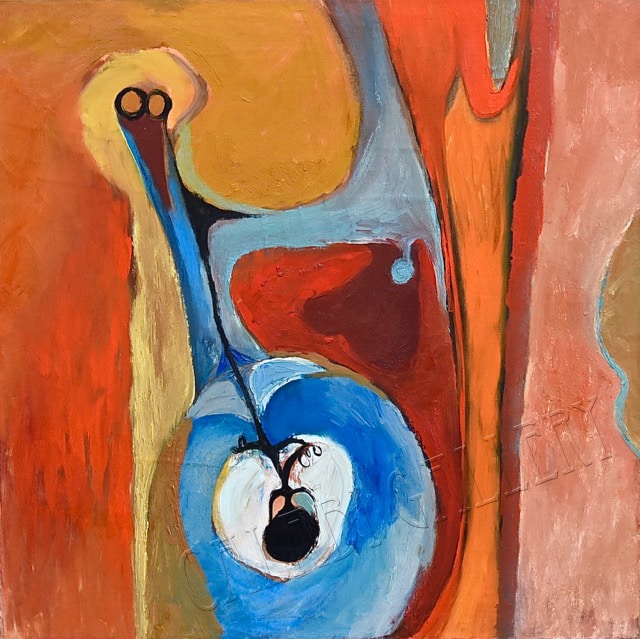
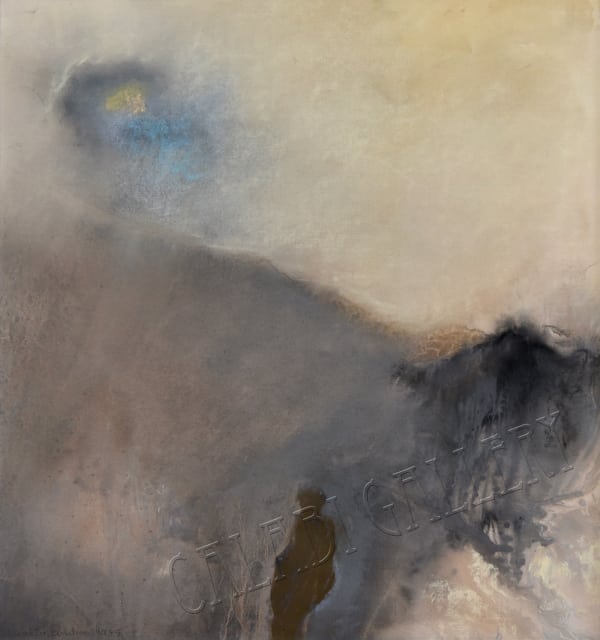
Untitled Abstract by Walter Kuhlman, 1947, Oil on Canvas, 34 x 34
Untitled by Walter Egel Kuhlman, 1947, Oil on Canvas, 24 x 34-1/2
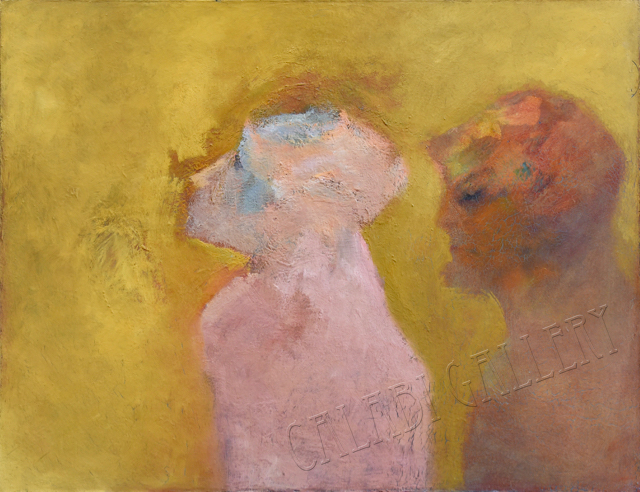
Duo by Walter Egel Kuhlman, 1987, Oil on Canvas, 30 x 40
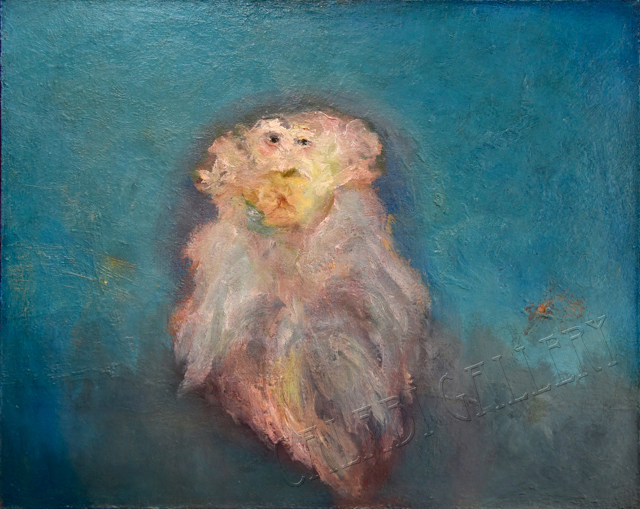
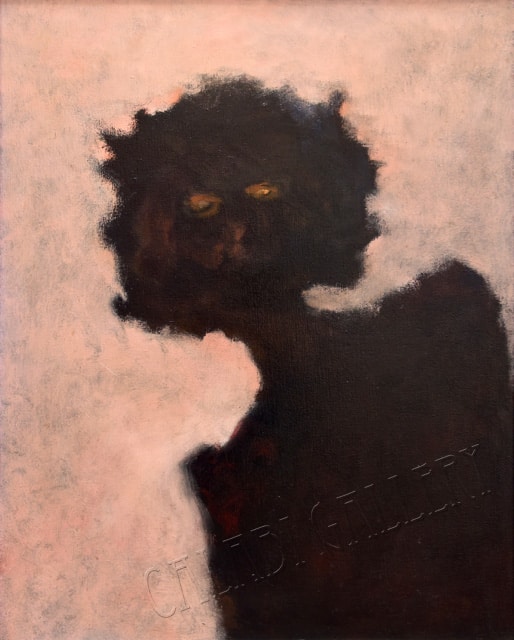
Pink Baboon by Walter Egel Kuhlman, 1986, Oil on Canvas, 24 x 30
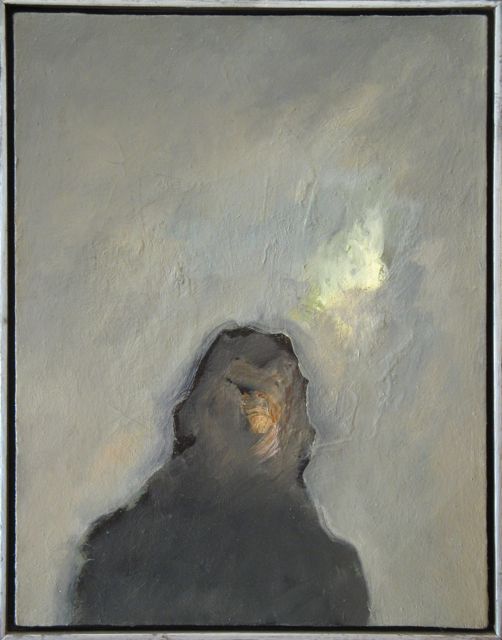
Homage to John Gardner, Grendel by Walter Egel Kuhlman, 1984, Oil on Canvas, 20-1/4 x 15-1/2
The Dwarf by Walter Egel Kuhlman, 1966, Oil on Canvas, 30 x 24
Don Juan in Hell by Walter Egel Kuhlman, 1961, Oil on Canvas, 52 x 40
The Stranger by Walter Egel Kuhlman, 1967, Oil on Canvas, 30 x 24-1/4
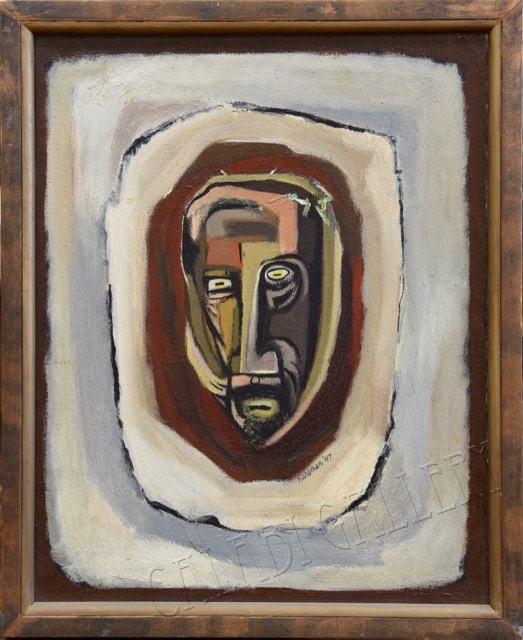
The Veronica Napkin by Walter Egel Kuhlman, 1947, Oil on Canvas, 20 x 16
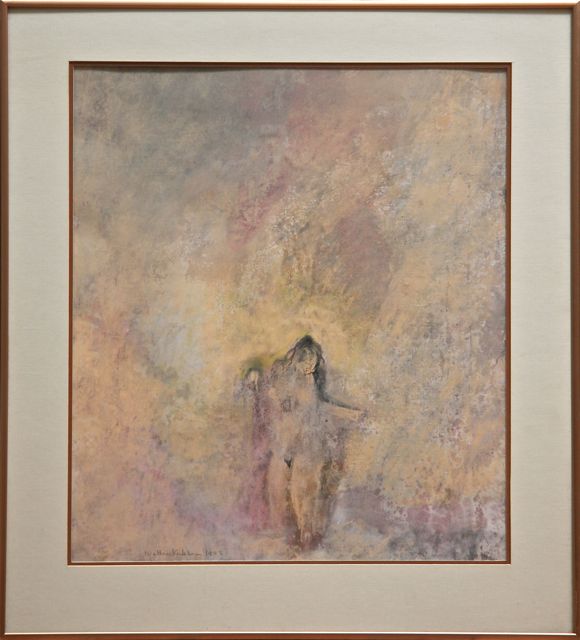
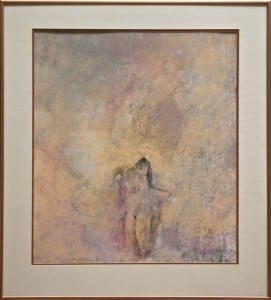
Morning Light by Walter Egel Kuhlman, 1983, Monotype with Mixed Media additions, 17-1/2 x 15-1/2
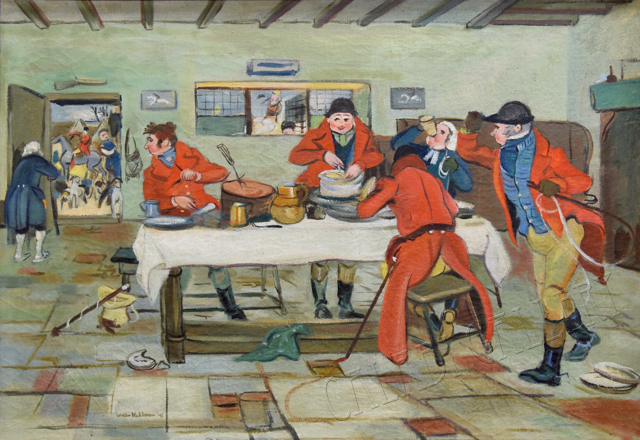
After the Hunt by Walter Egel Kuhlman, 1941, Oil on Canvas, 27 x 39
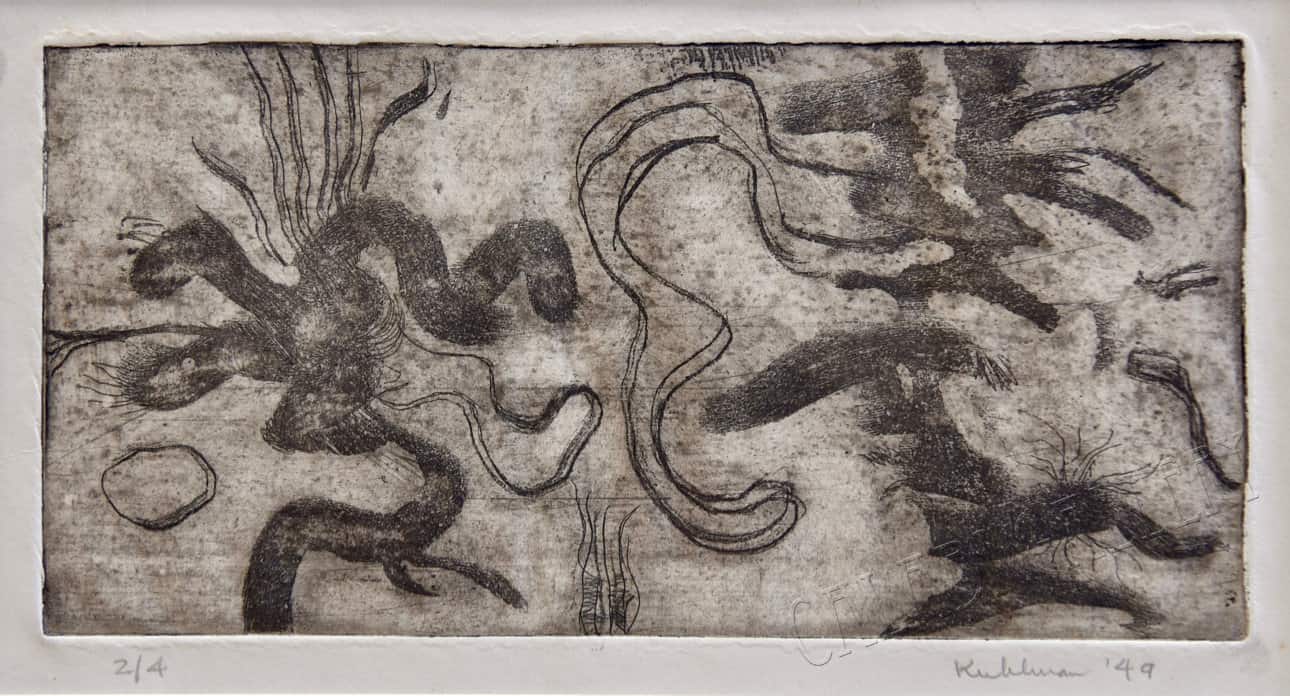
Untitled by Walter Egel Kuhlman, 1949, Intaglio, 2/4, 4-1/2 x 8-7/8
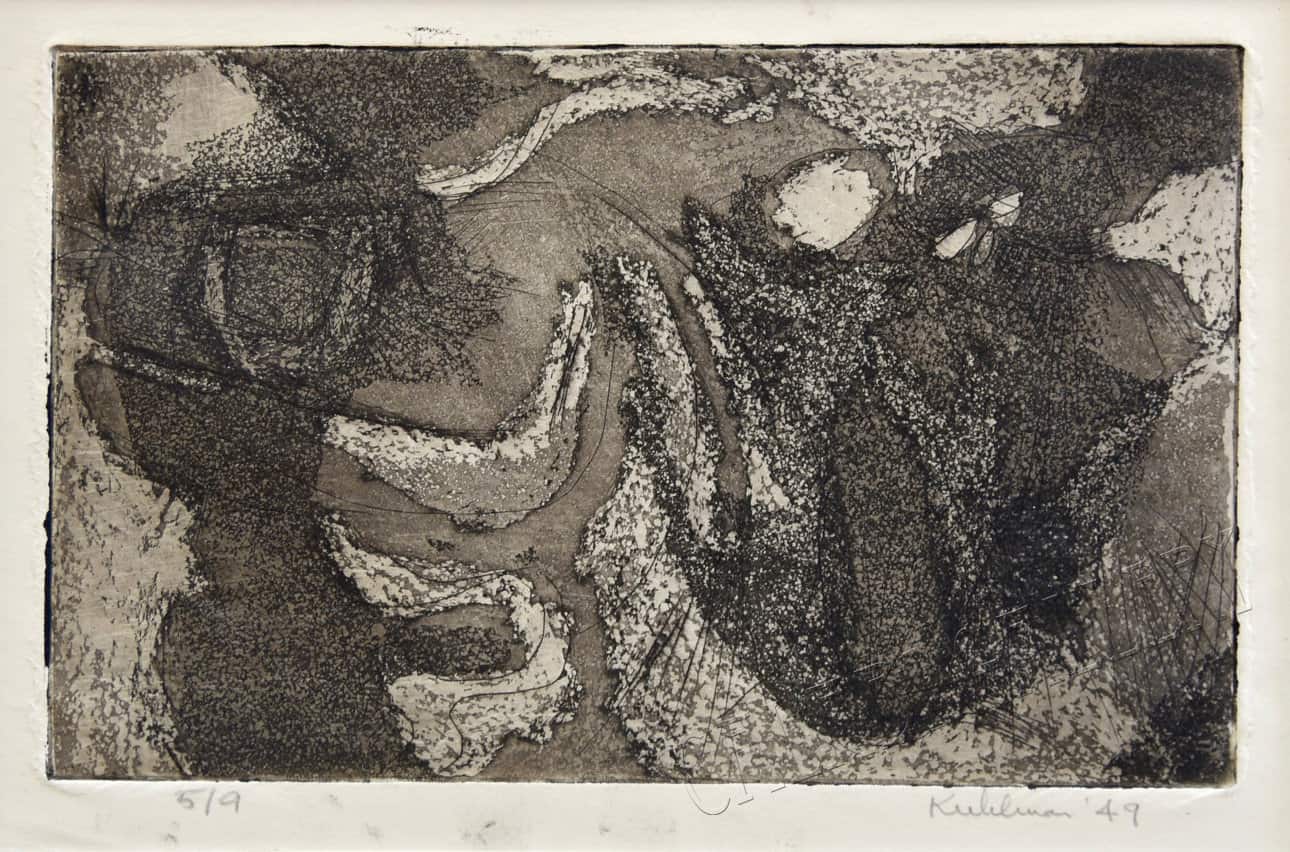
Untitled by Walter Egel Kuhlman, 1949, Intaglio, 5/9, 4-1/2 x 7-1/2
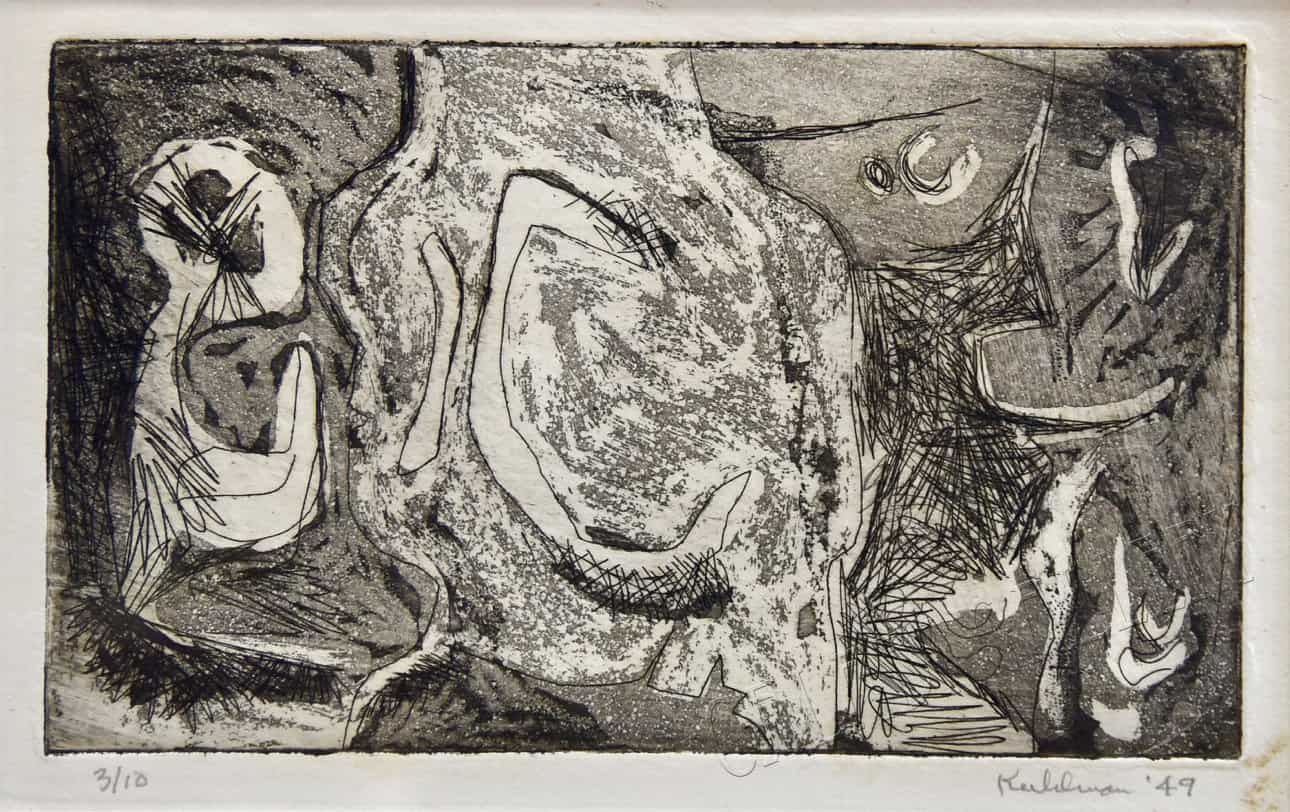
Untitled by Walter Egel Kuhlman, 1949, Intaglio, 3/10, 4-1/2 x 7-1/2
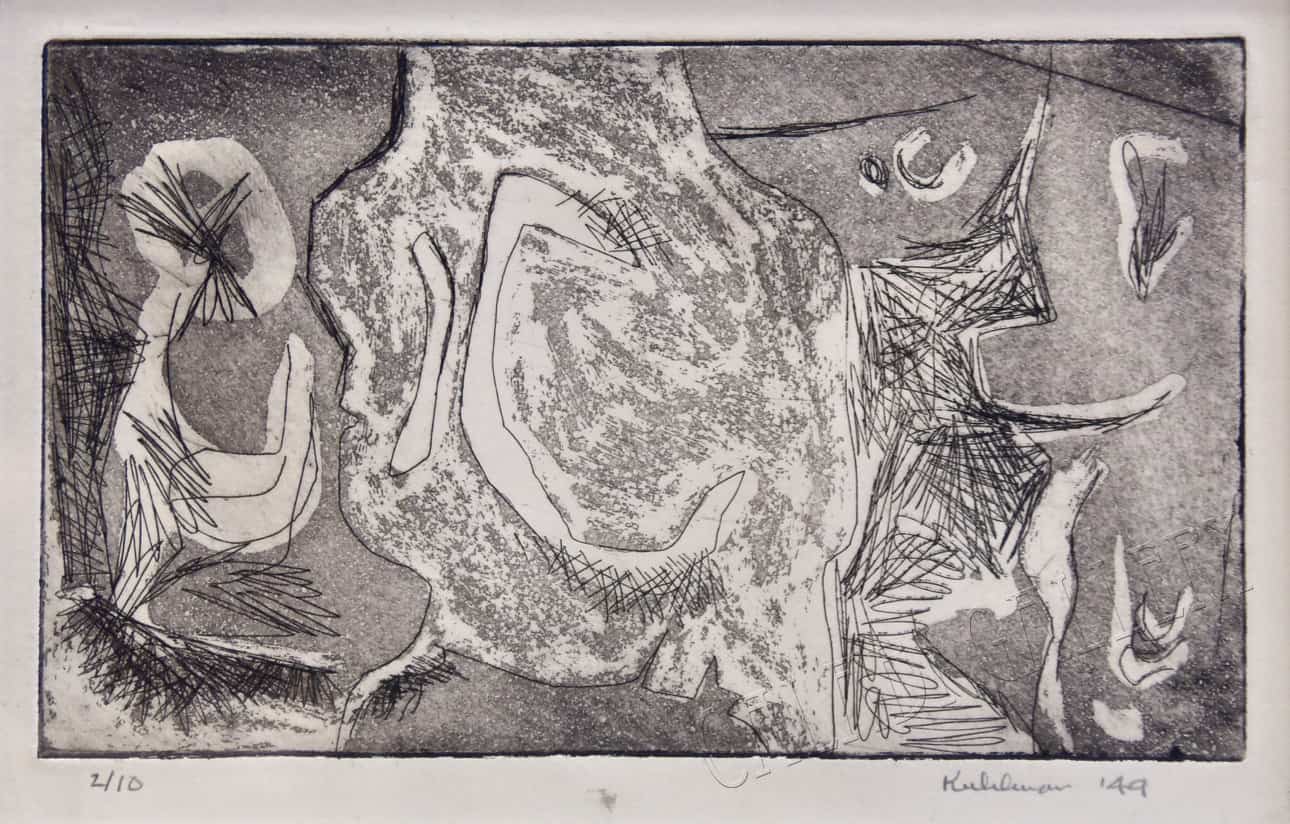
Untitled by Walter Egel Kuhlman, 1949, Intaglio, 2/10, 4-1/2 x 7-1/2
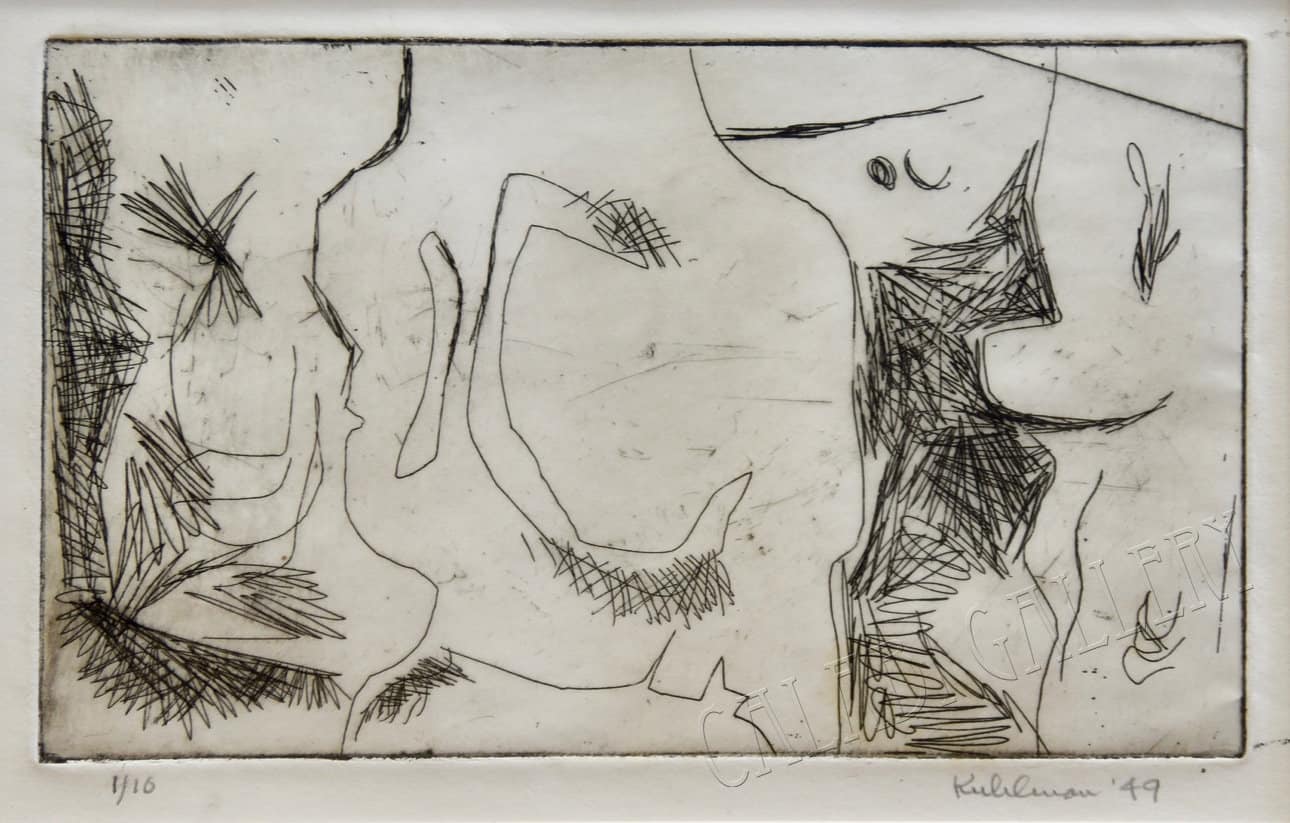
Untitled by Walter Egel Kuhlman, 1949, Intaglio, 1/10, 4-1/2 x 7-1/2
Untitled by Walter Egel Kuhlman, Monotype with Mixed Media Additions, 10 x 13
More Monotypes with Mixed Media Additions by Walter Kuhlman;
Untitled by Walter Egel Kuhlman, 1991, Oil on Canvas, 30 x 30 – SOLD
Edvard Munch by Walter Egel Kuhlman, Oil on Canvas, 24 x 19 – SOLD
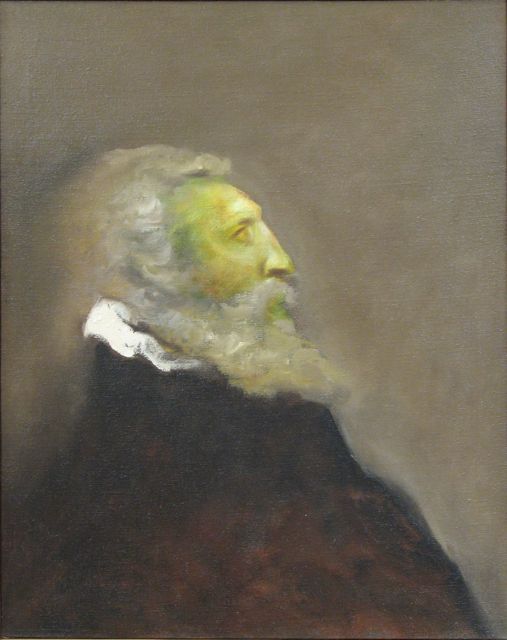
The Earl of B by Walter Egel Kuhlman, 1975, Oil on Canvas, 30-1/2 x 24 – SOLD
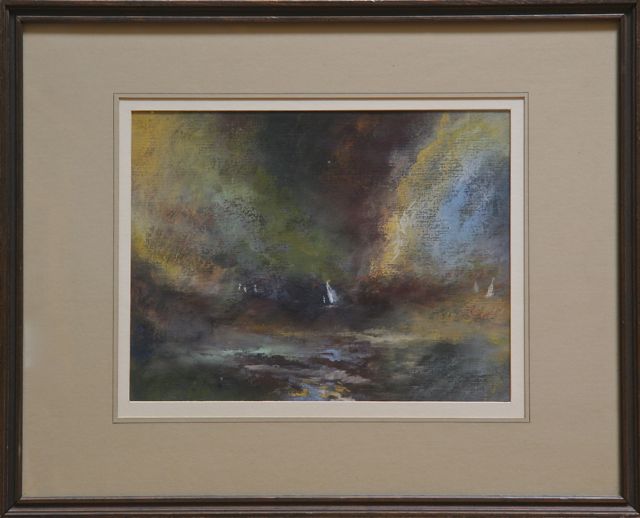
Sailing in the Fog by Walter Egel Kuhlman, 1980, Monotype with Mixed Media additions, 10 x 13 – SOLD
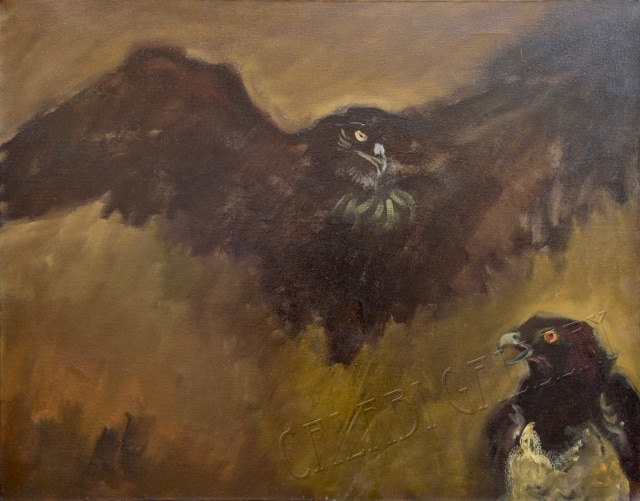
Two Birds by Walter Egel Kuhlman, Oil on Canvas, 28 x 35 – SOLD
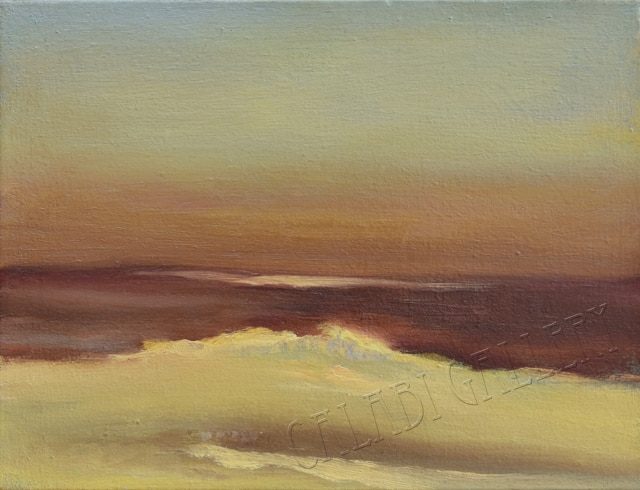
Seascape by Walter Egel Kuhlman, Oil on Canvas, 8-3/4 x 11-1/4 – SOLD

The painter and printmaker Walter Kuhlman (1918-2009) is closely associated with the San Francisco Bay Area, where he spent most of his life and career. Kuhlman was one of the pioneers within the distinctive San Francisco School of Abstract Expressionism, which emerged in the late1940s and flourished through the 1950s. Starting about 1960, Kuhlman’s work evolved toward an expressive figurative style. Painting was Kuhlman’s primary passion, but he also created many fine works on paper, including abstract expressionist prints and figurative monotypes.
Walter Kuhlman was born in St. Paul, Minnesota. He attended the St. Paul School of Art (graduating in 1939) and the University of Minnesota (BA, 1941). Kuhlman established a reputation as a notable young artist, exhibiting regionally and at the New York World’s Fair. His early career was interrupted by military service in World War II.
In 1947, Kuhlman enrolled at the California School of Fine Arts (CSFA; now San Francisco Art Institute). CSFA faculty and students alike – including Kuhlman – embraced Abstract Expressionism. Their distinctive work established San Francisco as a recognized center apart from the New York School. In 1950-1951, the artist studied in Paris, where his works appeared in some of the first European exhibitions to feature American Abstract Expressionism.
Kuhlman continued his focus on Abstract Expressionist painting through the decade of the 1950s. His work was included in the US exhibition at the 1955 International Biennial of Sao Paulo, Brazil. Kuhlman received a fellowship in 1957 from the Chicago-based Graham Foundation for Advanced Studies in the Fine Arts. This prestigious award helped solidify Kuhlman’s national reputation.
Starting about 1960, the artist became drawn toward figurative imagery. He developed a very personal painting style through which to create images that conveyed philosophical, spiritual, and artistic themes
The artist taught for various periods at several San Francisco area institutions, including CFSA, University of California at Berkeley, Santa Clara University, and Stanford University. He was on the faculty of the University of New Mexico from 1960 to 1965, and then at Sonoma State University (California) from 1969 until his retirement in 1988. The California Arts Council named Kuhlman an “Outstanding Artist and Teacher” in 1982.
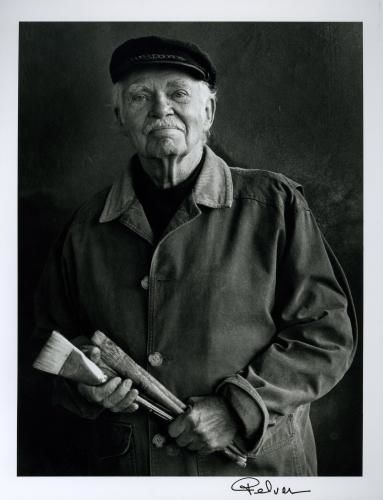
Kuhlman was elected to the National Academy of Design in 1995, and his papers were accepted into the Smithsonian Institution’s Archives of American Art. The artist died in San Raphael, California, in 2009.
The artist’s paintings and prints can be found in many public collections, including: British Museum, Cleveland Museum of Art, Fine Arts Museums of San Francisco, Menil Collection, Metropolitan Museum of Art, Oakland Museum of California, Phillips Collection, San Francisco Museum of Modern Art, Smithsonian Museum of American Art, and Worcester Museum of Art.
– Written by Alan Selsor
- Adela Akers
- Jeremy Anderson
- Douglas Ballou
- Genevieve Barnhart
- Paul Beattie
- Warren Bellows
- Karl Benjamin
- Eugene Berman
- Dorr Bothwell
- Hans Gustav Burkhardt
- Ed Corbett
- Bruce Crane
- Francis DeErdely
- Roy De Forest
- Richard Diebenkorn
- Holly Downing
- Easton
- Bella Feldman
- Pamela Glasscock
- James Ford Grant
- Karen Green
- Tim Haworth
- Art Hazelwood
- Iva Hladis
- Peter Holbrook
- Charles H. Howard
- John Langley Howard
- Robert B. Howard
- Joyce Ertel Hulbert
- Ray Jacobsen
- Karl Kasten
- Walter Egel Kuhlman
- Evri Kwong
- Holly Lane
- Frank Lobdell
- Carolyn Lord
- Sherrie Lovler
- Henri Matisse
- Sutter Marin
- Lucy Martin
- Mary Fuller McChesney
- Robert Pearson McChesney
- Michael McMillan
- Emmanuel Catarino Montoya
- Irving Norman
- Nathan Oliveira
- Carol Peek
- Michael Ramos
- Noel Rockmore
- Alejandro Salazar
- Stephanie Sanchez
- Charles M. Schulz
- Louis Bassi Siegriest
- Mary Silverwood
- Martina Skala
- Hassel Smith
- Jim Spitzer
- Inez Storer
- Colin Talcroft
- Horst Trave
- Serge Trubach
- Seymour Tubis
- Elmer Wachtel
- Bambi Waterman
- June Wayne
- Penny Wolin
- Annex Galleries
- Bay Area Art Conservation Guild
- Bodega Bay Heritage Gallery
- Crocker Art Museum
- Grace Hudson Museum
- Hammerfriar Gallery and Framing
- Modern Art West Gallery
- National Museum of Women in the Arts
- Oakland Museum of California
- Petaluma Arts Center
- Sebastopol Center for the Arts
- Sonoma County Museum
- Sonoma Valley Museum of Art
- The Gold Leaf Workshop
- The Ren Brown Collection Gallery
Artists
 And many more